
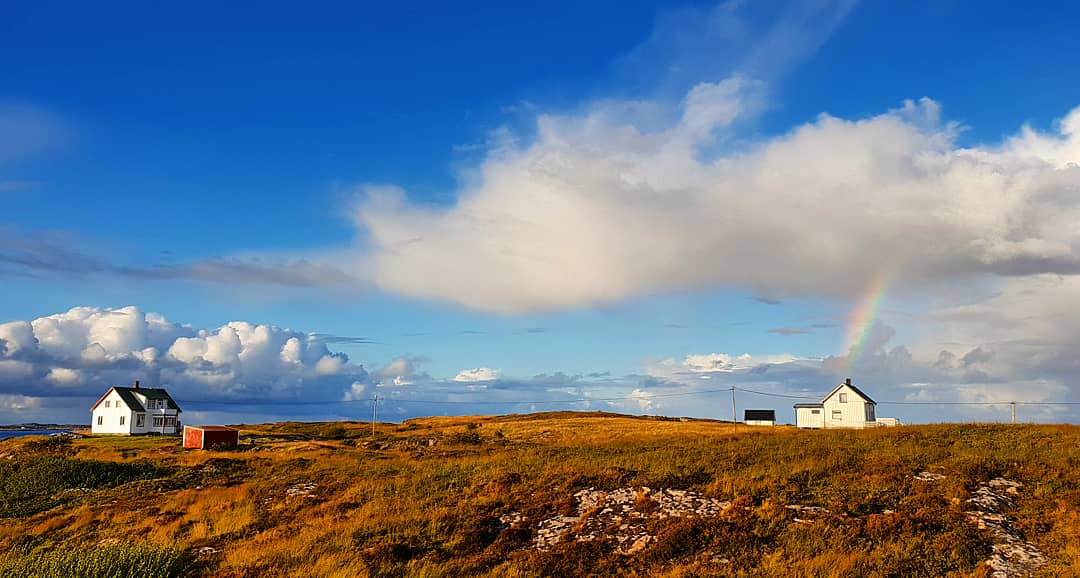
Sauøya, Sørburøya and Gjæsingen
Three gems in Norway's largest marine protected area - living island communities, Froan chapel and wildlife you have to see to believe.
Sauøya, Sørburøya and Gjæsingen
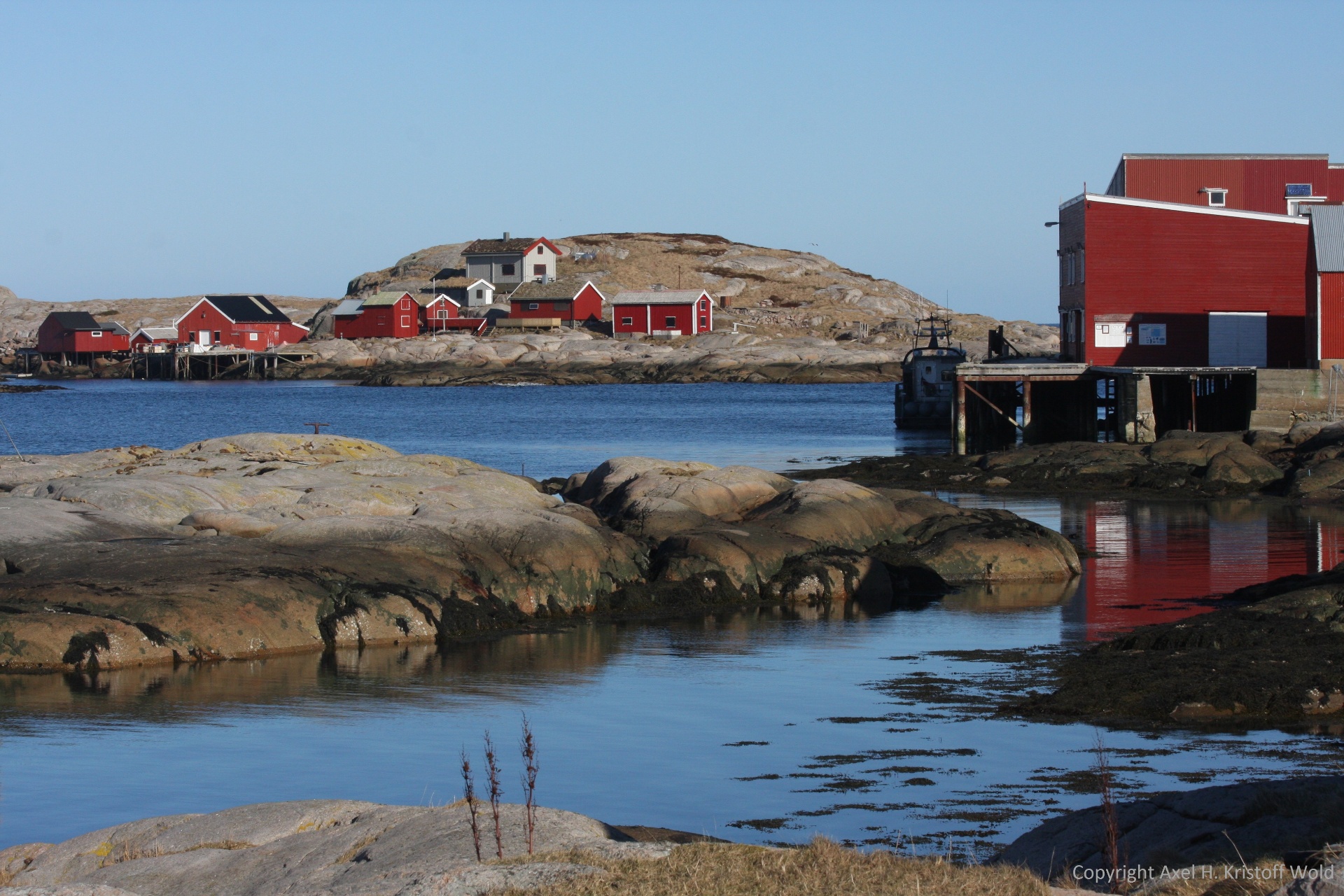
At the northern end of Øyrekka lies Froan, with the islands Sauøya, Sørburøya and Gjæsingen. Here you meet open sea, small island communities and rich bird and animal life. Each island has its own history and character, from the living community on Sørburøya to the old fishing village settings on Sauøya and Gjæsingen. There is no food service on the islands, so bring food and drink if you are planning a day trip.
Froan nature reserve and protected landscape
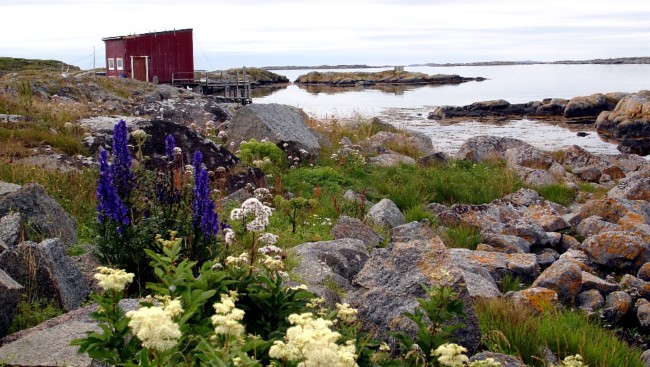
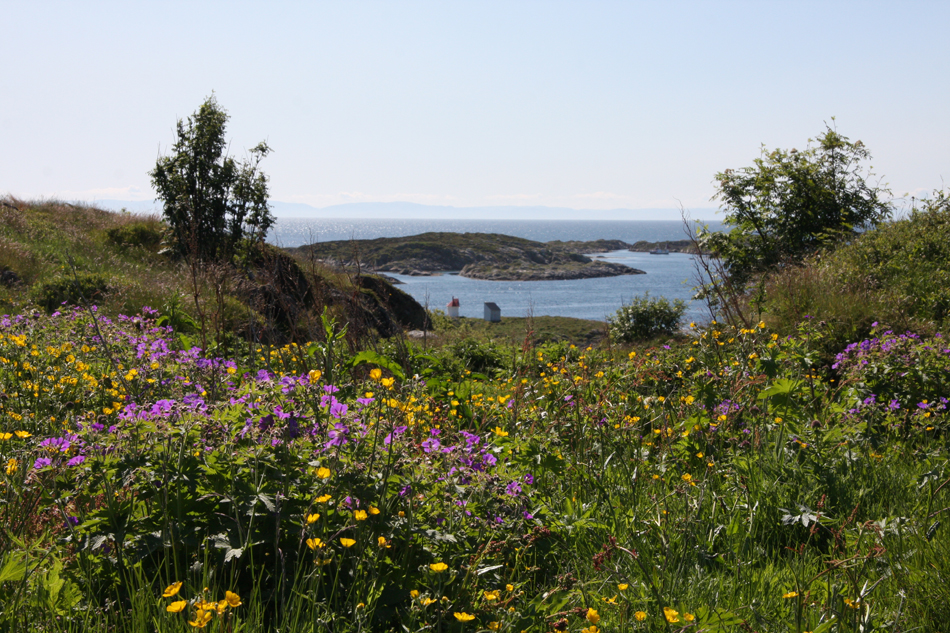
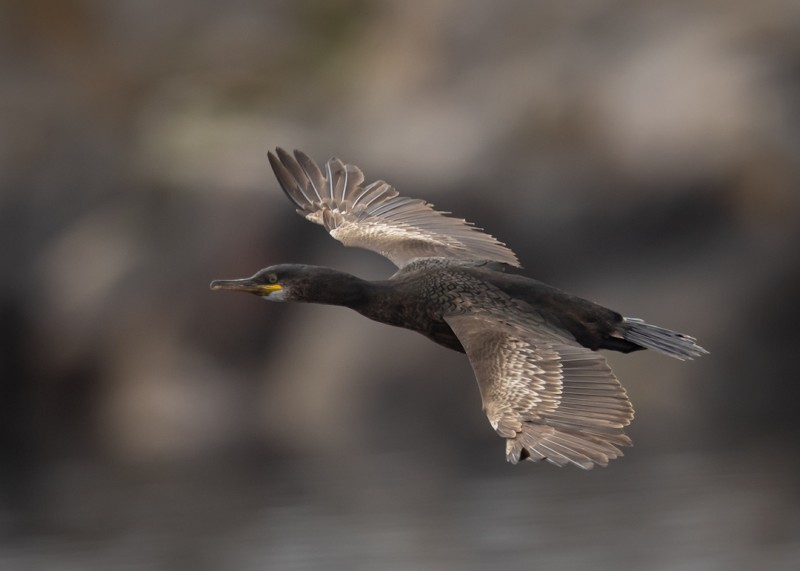
The Froan nature reserve and protected landscape was established in 1979 and is the largest continuous protected sea area in Norway. It covers more than 400 square kilometres of islands, islets and skerries, and holds Ramsar status because of its importance for migratory birds. Froan is also one of the country's most important habitats for seals. Along the way you may see grey seals and harbour seals on the skerries, while sea eagles and seabirds move above and between the islands. During the breeding season, access is restricted in parts of the area, and it is important to follow the conservation rules in force.
A living island community on Sørburøya
While Sauøya no longer has permanent residents and only a handful live year-round on Gjæsingen, Sørburøya still has around 20 inhabitants. There is a shop, a fish landing station with fuel and water, a guest quay and what is often described as Norway's smallest school, complete with its own brass band. From the island's highest point you can see Sauøya, Finnvær lighthouse and the offshore fish farm Ocean Farm 1 out in Frohavet.
Sauøya and Froan chapel
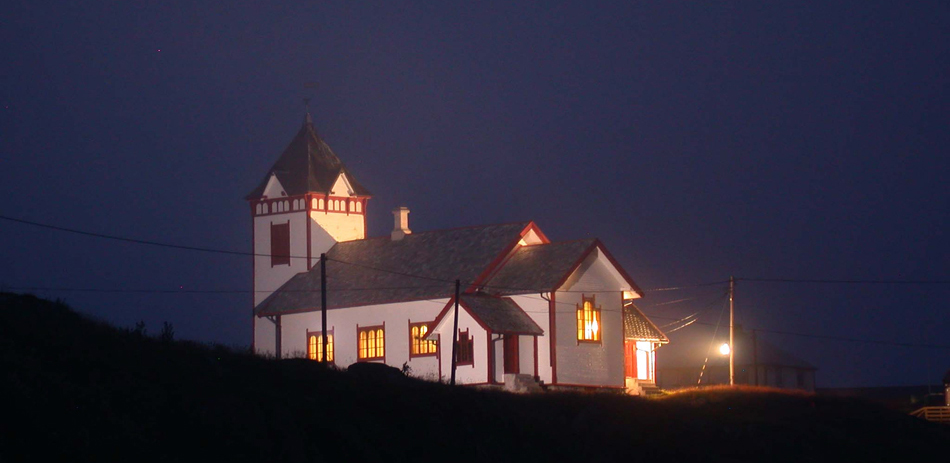
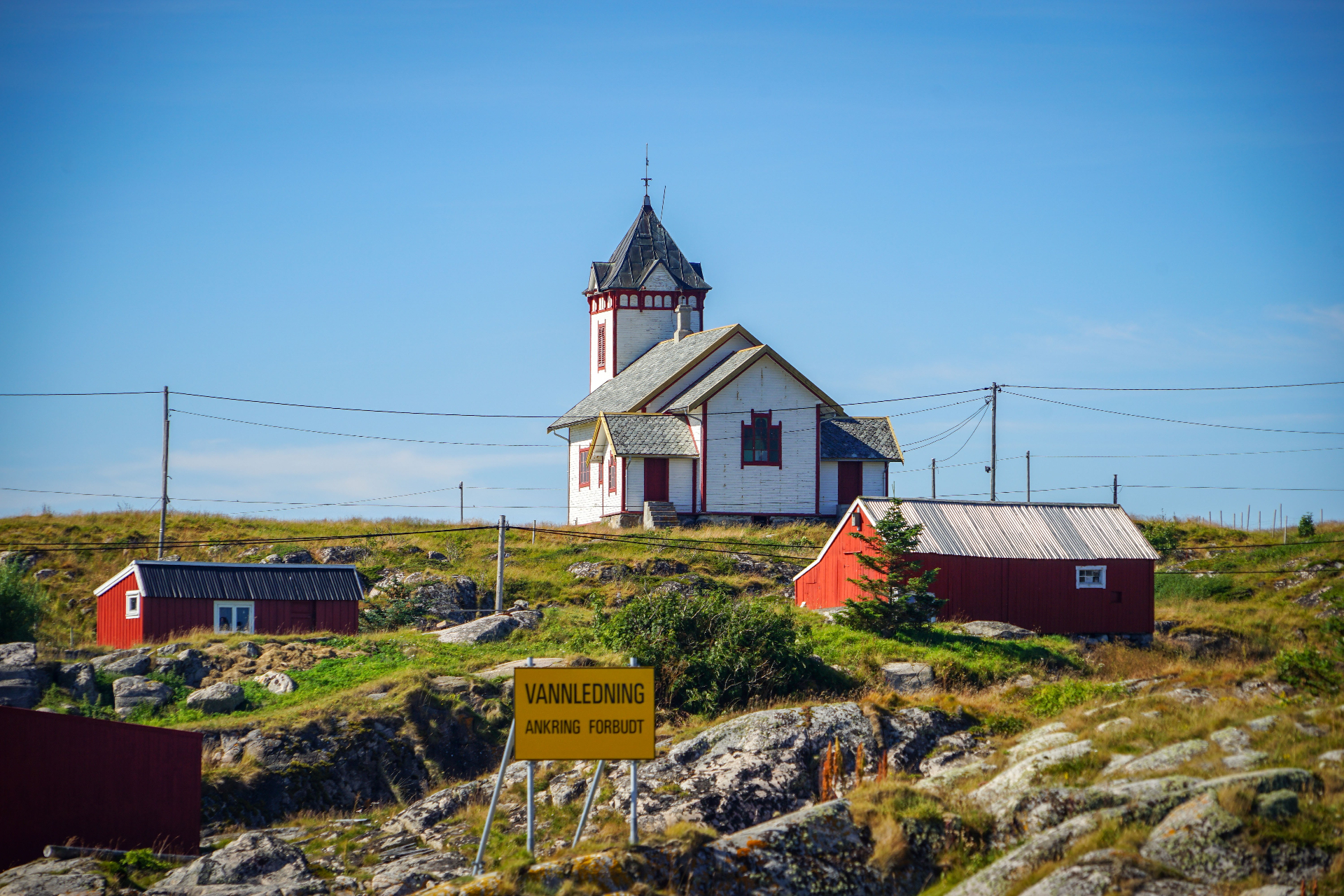
A walk around Sauøya leads through old grazing land and areas rich in birdlife. In the middle of the island stands Froan chapel, built in 1904 and still a clear landmark. The last permanent residents left Sauøya in 2010, but in summer many return to their houses and holiday homes. The guest quay has electricity, a shower and a toilet, which makes Sauøya a practical stop for visitors arriving by sea.
Gjæsingen – the fishing village that blossoms in summer
Gjæsingen was once one of the most important fishing villages on the Trøndelag coast. Today only a few people live here year-round, but in summer many of the roughly 40 houses fill up again. The local association also runs a Saturday café in the old schoolhouse during the summer season.
How to get to Froan
The scheduled boat runs from Dyrøy, but departures are few, so the journey should be planned in advance. The waters in Froan are demanding and require good local knowledge, especially between the islets and skerries. WKT knows the area well and offers safe transport with fast passenger boats. The route can be adapted to the weather, your schedule and your wishes, and the trip can be combined with visits to Halten, Mausund or Sula. Get in touch and we will find an arrangement that suits you.
See also: Halten · Island hopping
Explore more of the Frøya archipelago.
Halten
The outermost bare island - a protected, uninhabited fishing village at the northern end of Øyrekka, once the largest on the Trøndelag coast.
Read more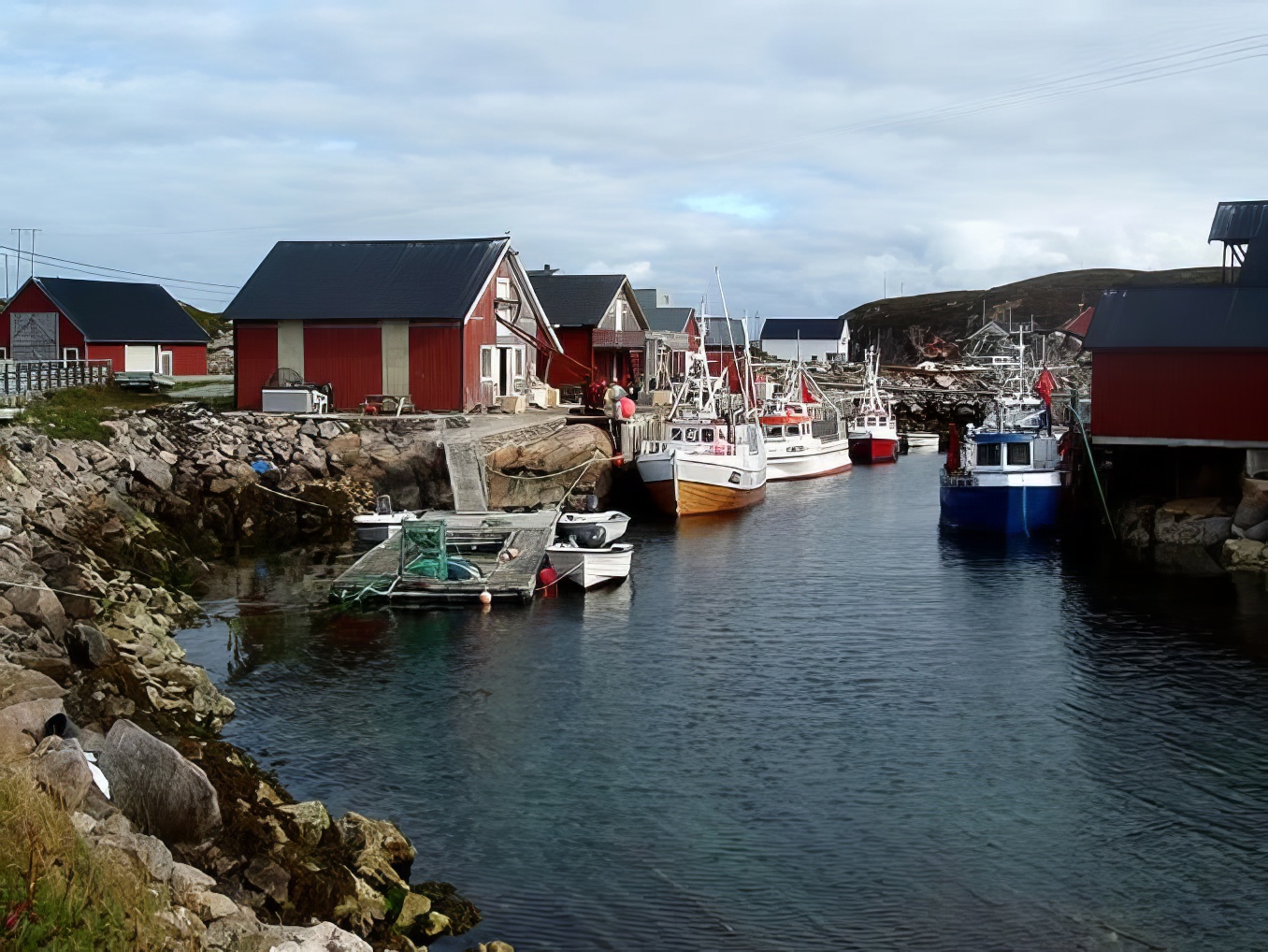
Mausund
Frøya's largest fishing village - around 200 inhabitants, two places to eat and the «Ut i havet» festival that fills the island every summer.
Read more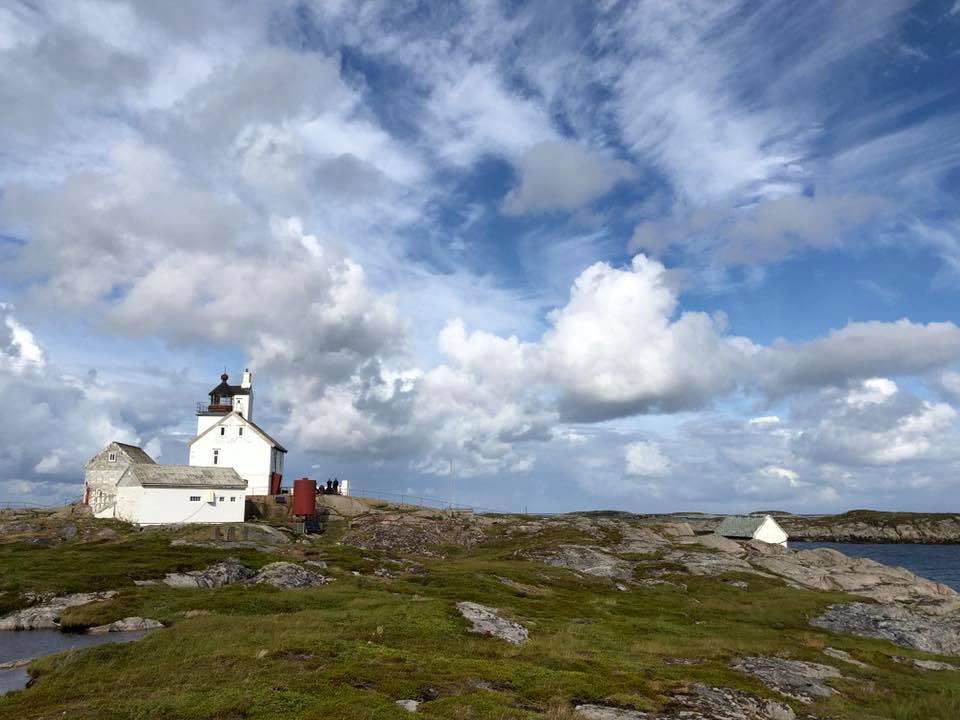
Finnvær lighthouse
A weather-beaten outpost in Frohavet - built in 1912 to guide seafarers safely between the low islands of Froan.
Read more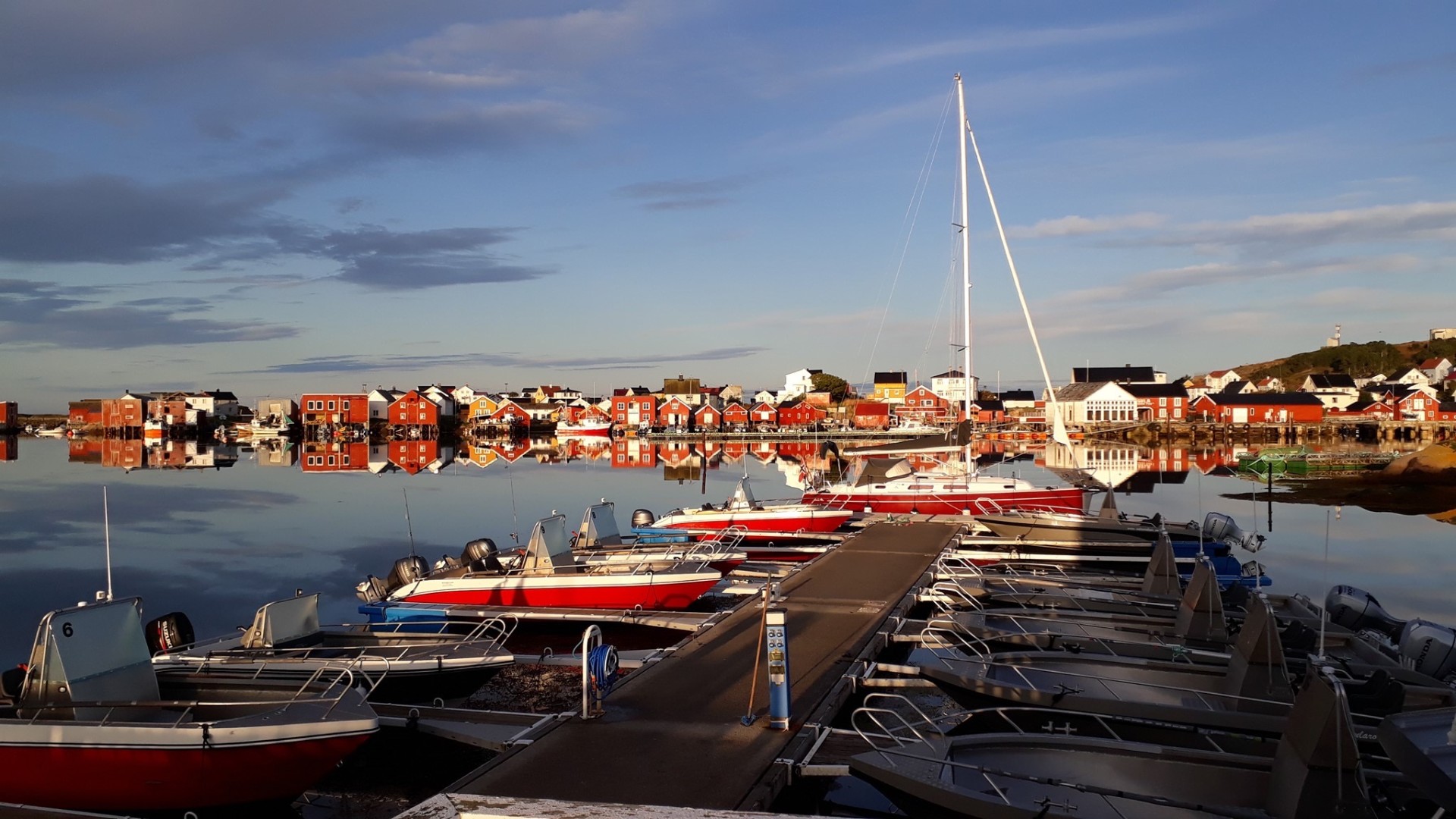
Sula
A natural gem facing the open sea - dense wooden houses, around 50 permanent residents and a lively summer season.
Read moreWould you like to visit Froan?
We put the route together based on the weather and what you would like to see.